
Dragon Boat Seat Positions: What Your Seat Means
Published 30 August 2026 · Updated 14 October 2026
You arrive at practice, hear the lineup and find out you’re sitting somewhere new. Last week you were near the front. Tonight you’re at the back. Is that a demotion? Did you do something wrong?
A seat change on its own does not tell you that. Your coach may be balancing the boat, covering an absence or helping you learn another position. Knowing what your seat asks of you gives you something useful to focus on.
First, check how your crew numbers seats
In a full standard racing boat, 20 paddlers sit in ten rows of two. The drummer sits at the bow, facing the crew, and the steersperson stands at the stern. A full small-boat crew has ten paddlers, plus a drummer and steersperson. Event rules determine the permitted crew size.
This chart counts rows from the bow: row 1 is nearest the drummer. Your club might call them benches or number individual paddler positions instead. Ask which system your coach uses before heading to the dock.
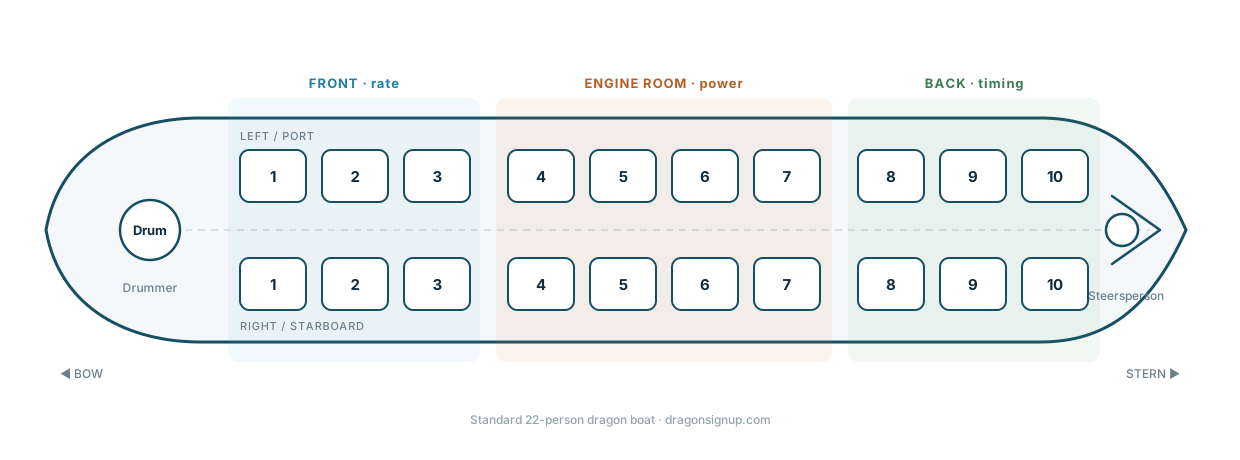
The chart groups rows 1–3 as the front, 4–7 as the engine room and 8–10 as the back. These are coaching labels; clubs draw the boundaries differently. Every section contributes power and timing.
At the front: give the crew a rhythm it can follow
The first two paddlers are the stroke pair. They provide a visible rhythm for the crew at the rate the coach calls. Consistency matters: the paddlers behind them need a stroke they can follow when the pace changes.
Row 2 follows that rhythm and helps carry it back. If you’re sitting here, ask what the coach wants you to watch and listen for. Your job is to stay connected to the crew, not race the person beside you.
Through rows 3 and 4: keep the front and middle connected
These rows sit across the front and middle sections in our chart. Coaches may place an experienced technical paddler here to help carry the timing through the boat.
If this is a new position for you, ask for one thing to work on during the session. A clear cue about your catch or finish is more useful than trying to fix everything at once.
In the middle: power still needs timing
The middle section is often called the engine room. Coaches may start with heavier paddlers here when arranging the boat’s weight, then adjust for side preference, technique and the rest of the crew.
Being strong does not make timing optional. Match the crew’s catch and finish, and ask for help if you lose the rhythm. The engine room is a role in the boat, not a label for who matters most.
At the back: stay with the crew
The stroke pair can be harder to see from the back rows. Use the crew’s movement and agreed calls to stay in time, especially when you’re tired. An experienced paddler at the back can also help communicate with the steersperson.
These seats need attention and good technique, just like the front. If your coach moves you here, find out what they want you to contribute rather than guessing from the seat number.
The drummer and steersperson are part of the crew
The drummer gives an audible timing reference and communicates the agreed race calls. The steersperson, also called a helm or sweep, controls the boat with a steering oar and directs maneuvers. Learn the commands your crew uses and respond promptly.
Their positions at either end also matter when the coach checks how the loaded boat sits in the water. Drummer rules and steering qualifications vary, so follow your club’s process and the event requirements.
Three questions to ask when your seat changes
- Which row and side am I assigned to?
- What should I focus on from this position?
- What should I watch or listen for to stay with the crew?
You do not need to know everything before trying a new seat. You need a clear assignment and a coach who knows what you’re working on.
Bring a seating chart to your next practice
Mark your crew’s assignments and use it to talk through a change before loading. Coaches looking at the whole boat can also use our guide to balancing a lineup.
Frequently asked questions
How many people are in a dragon boat?
A full standard racing crew has 22 people: 20 paddlers, a drummer and a steersperson. A full small-boat crew has 12, including 10 paddlers. Permitted crew sizes depend on the event rules.
What is the engine room in a dragon boat?
The engine room is a coaching name for the middle section. This guide uses rows 4 to 7, but clubs draw the boundaries differently. Paddlers here contribute power while matching the crew’s timing.
Where should the heaviest paddlers sit?
Coaches often start with heavier paddlers near the middle, then adjust for the hull and complete crew. Include the drummer and steersperson when checking trim on the water.
Do the back seats matter?
Yes. Paddlers in the back rows need to match the crew’s rhythm and maintain technique under fatigue. Experienced paddlers can help carry timing through this section.
Can paddlers switch sides?
Yes, with practice. Tell your coach which side you prefer and how comfortable you are on the other side. Training both sides can give the crew more substitution options.
Who sets the seating chart?
The coach or the team captain. Some clubs run a squad selection, others rotate seats through the season so paddlers learn several positions.
Further reading
The British Dragon Boat Racing Association’s overview explains standard and small-boat crew sizes. The International Breast Cancer Paddlers Commission’s guide describes the stroke pair, drummer and steersperson. For racing, use your event’s rules alongside the current IDBF regulations where applicable.
Keep your paddling profile useful
If your crew uses DragonSignUp, keep your preferred side current and tell your coach how comfortable you are on the other side. That gives them better information when someone drops out. If you’re new to the team, ask for its invite link.